BSE chair Neo Mooki pushes African financial sovereignty at Rome Summit
BSE chair Neo Mooki tells global financiers in Rome that Africa needs stronger financial plumbing, not aid, to unlock domestic capital.
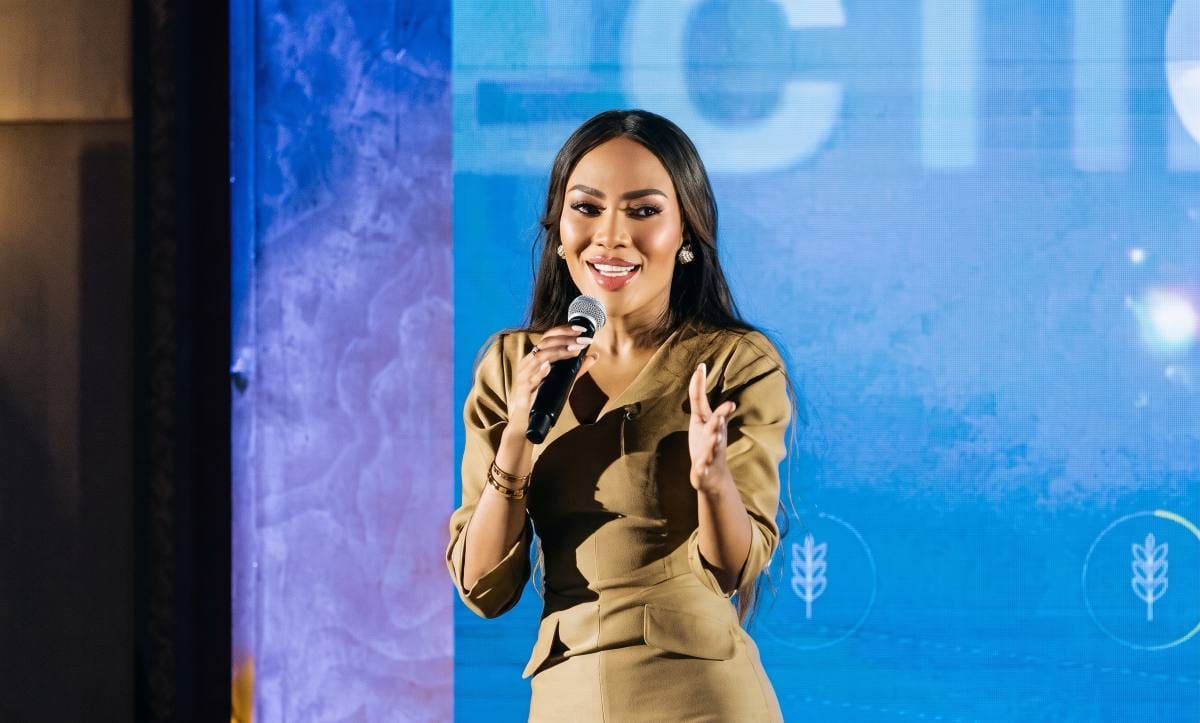
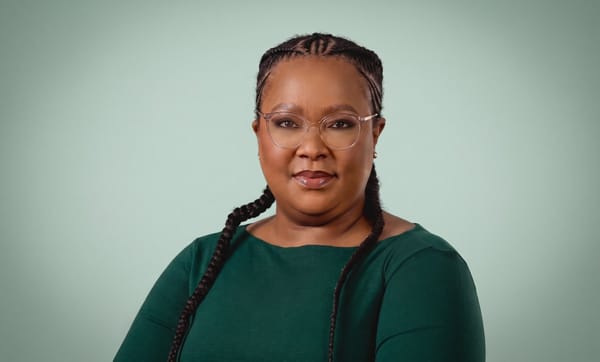
Neo Mooki, chairperson of the Botswana Stock Exchange (BSE), delivered a blunt message to global financiers in Rome last week. Addressing policymakers and dealmakers at the Mattei Method International Forum, the Botswana-born investment executive argued that Africa does not suffer from a shortage of money, but from broken financial plumbing.
Mooki, one of fewer than five women globally to chair a national bourse, framed shifting global power dynamics as a catalyst for regional self-reliance. While traditional investors fret over geopolitical friction, she urged capital allocators to view market disruptions as an urgent mandate to build independent African financial infrastructure.
Five forces reshaping global capital
Delivering a keynote address titled "Why Africa, and Why Now," Mooki outlined five structural forces currently redrawing the world economy. She identified those drivers as Donald Trump, tariffs, energy transition, geopolitical tensions and technology, contending that institutional investors misread these pressures as simple market headwinds.
Instead, Mooki told delegates hosted by Fondazione SED Enrico Mattei President Aroldo Curzi Mattei that these disruptions strengthen the case for African financial sovereignty. According to Mooki, domestic capital already exists across the continent, yet economies lack the institutional pipes required to channel liquidity into productive, income-generating assets.
Moving from pitch to term sheet
Discussions shifted from macroeconomic theory to deal execution on the forum's second day. Mooki moderated a high-level roundtable examining how early-stage infrastructure concepts become bankable assets, following policy remarks from Renato Loiero, budget policy adviser to Italy's prime minister, who framed the regulatory lines for European-African co-investment.
The panel brought together executives who structure and underwrite cross-border transactions. Participants included Carlo Maria Rossotto of Italian development lender Cassa Depositi e Prestiti, Mickael Vogel from the Africa Finance Corporation, Standard Chartered managing director Yoshi Ichikawa and Ciro Aquino, regional director for Italy’s SACE.
Why institutional systems beat solo deals
Following the closed-door session, Mooki warned that isolated financiers cannot de-risk complex frontier infrastructure alone. Turning early proposals into funded projects requires coordinated ecosystems linking sovereign policy, export credit guarantees, development banks and commercial lenders—with closed deals remaining the only metric that matters.
That collaborative ethos extended into an evening gathering at the Enrico Mattei Awards in Rome. Mooki met with Aroldo Curzi Mattei and Lorenzo Ortona of the Italian Prime Minister's Office to discuss operationalizing the Mattei Plan for Africa, Italy's flagship diplomatic and economic framework for the continent.
Building with Africa, not for it
Mooki said the Mattei Plan offers a critical opportunity to replace outdated donor-recipient aid models with commercial partnerships rooted in industrialization and mutual respect. Echoing the philosophy of late Italian energy industrialist Enrico Mattei, she stressed that European investors must build alongside African institutions rather than dictate terms from abroad.
Her push in Rome reflects two decades spent constructing institutional investment platforms across Europe and Africa. Before taking the helm at the BSE, Mooki held senior leadership roles managing multibillion-dollar portfolios at Generali Investments and abrdn, alongside serving on corporate boards including Generali Real Estate SGR.
Positioning Gaborone for cross-border flows
Today, Mooki leads Africa and UAE initiatives at Fondazione Eni Enrico Mattei while steering governance reforms in Gaborone. At the BSE, she prioritizes cross-border market linkages—including partnerships with the Dubai Multi Commodities Centre—alongside regional depository receipts and initial public offerings.
Armed with an actuarial science degree from the University of Wales and an executive MBA from Oxford's Saïd Business School, Mooki continues pressing for broader wealth democratization. As talks move from Rome back to African financial centers, her focus remains squarely on fixing the pipes that move global money.
That domestic market depth was on full display in Gaborone when the local bourse welcomed Kwa Nokeng Oil Holdings to its main board. Following an IPO of 1.372 billion shares at 1 pula each, the energy firm drew 990 applicants seeking 1.662 billion shares, marking a 21 percent oversubscription worth roughly BWP1.66 billion ($118 million).