South Africa’s richest man Johann Rupert faces investor revolt over Remgro board seat
Johann Rupert faces a major shareholder revolt over his Remgro board seat as major pension funds challenge long director tenures.

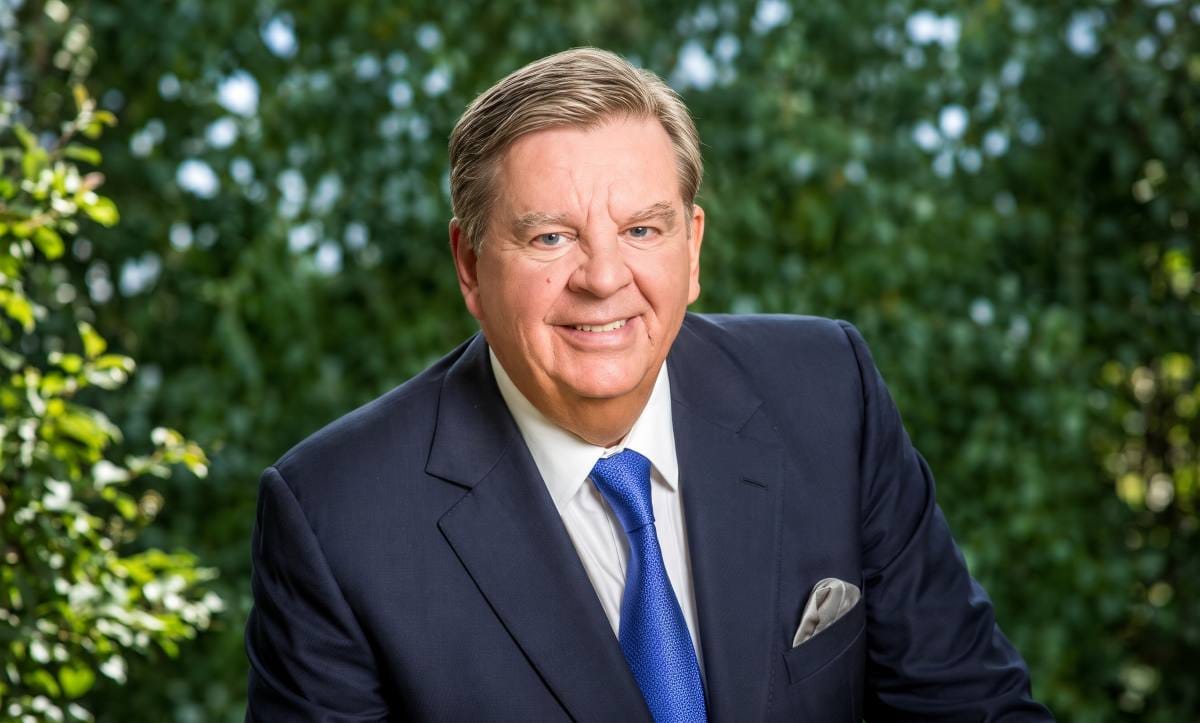
South Africa’s richest man Johann Rupert is confronting rare shareholder pushback at Remgro ahead of the firm's annual general meeting. Proxy adviser Institutional Shareholder Services Inc. urged investors to vote against re-electing Rupert and former executive Paul Neethling, flagging that four of Remgro's nine non-executive directors have served over 15 years.
To quell the governance revolt, the Stellenbosch-based holding company plans to replace two unnamed directors reaching its mandatory retirement age of 70 with independent successors. Remgro said the shakeup accounts for previous shareholder concerns regarding tenure, though the move has failed to satisfy major North American pension funds demanding deeper boardroom accountability.
Pension funds target board tenure
Heavyweight institutional investors including CalPERS, CalSTRS, the New York City Comptroller and British Columbia Investment Management Corp. plan to oppose long-tenured directors. Florida's State Board of Administration also objected to Rupert's re-election, arguing he lacks the independence required to chair Remgro's remuneration committee and criticizing the company's weak response to prior dissent.
Remgro countered that it regularly reviews governance and executive pay practices while actively engaging with shareholders. Yet the investor rebellion remains symbolic because a Rupert-controlled entity holds special voting shares, effectively allowing South Africa's richest man—worth $15.5 billion according to Forbes—to outvote minority investors at will.
Governance scrutiny sweeps Johannesburg
The boardroom clash mirrors broader shareholder activism sweeping Johannesburg-listed firms this proxy season, with retailer Woolworths Holdings and insurer Momentum Group also facing pay revolts. Built from the postwar Rembrandt tobacco empire founded by Anton Rupert, Remgro now holds sprawling stakes across health care, banking, food and telecommunications.
Despite the governance friction, Remgro's operational performance remains resilient. For the fiscal year ended June 30, 2026, headline earnings jumped 42.3 percent to R11.14 billion ($682 million), up from R7.83 billion ($481.54 million) a year earlier, while adjusted free cash flow climbed 28.6 percent to R4.95 billion ($304.6 million).
Richemont delivers luxury profit surge
Rupert relies on a similar dual-class share structure to maintain tight control over Cie. Financiere Richemont SA, the Geneva-based parent of Cartier and Van Cleef & Arpels. While minority investors chafe at his concentrated voting power, Richemont's stellar financial results continue to reinforce his standing across global luxury markets.
For the six months ended Sept. 30, 2026, Richemont posted a 39 percent surge in half-year net profit to €2.53 billion ($2.79 billion), beating prior-year earnings of €1.81 billion ($2 billion). Revenue rose 16 percent to €12.28 billion ($13.54 billion) as booming jewelry demand and €229 million ($252.38 million) in tariff gains offset steeper gold costs.